

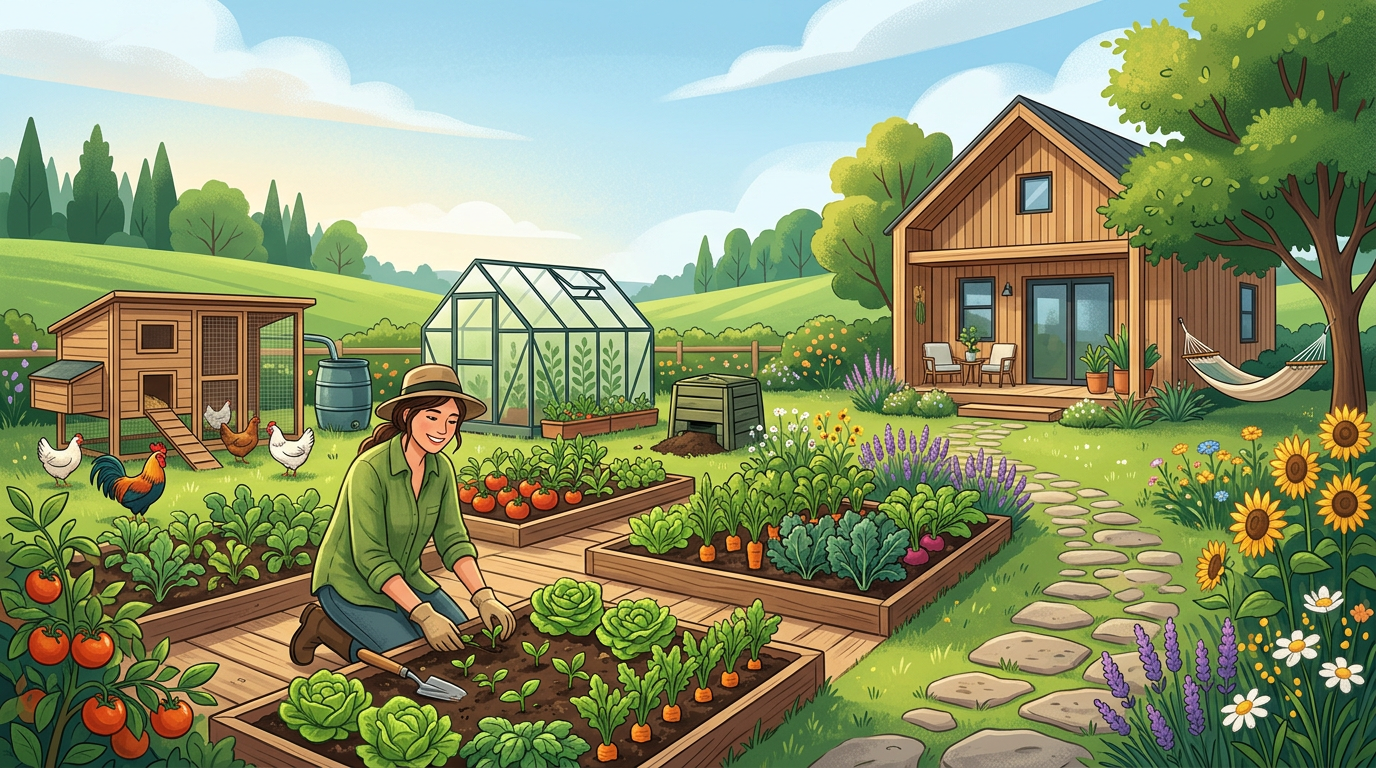
Cultivate Your Independence: A Buying Guide for the Self-Sufficient Backyard
Imagine stepping into your backyard and harvesting fresh, organic produce for tonight's dinner. Envision a space where you're not just a consumer, but a producer, actively contributing to your family's sustenance and well-being. The allure of a self-sufficient lifestyle, especially in an unpredictable world, is growing stronger. This guide will help you understand how to embark on this rewarding journey, turning your ordinary outdoor space into a thriving, independent haven.
Why Embrace Backyard Self-Sufficiency?
Opting for a backyard that supports self-sufficiency goes beyond just gardening; it's a lifestyle choice that offers numerous benefits. You gain a deeper connection to your food sources, fostering a sense of accomplishment and pride. Think about the taste of a tomato you’ve grown yourself – there’s simply no comparison to store-bought.
Here are some compelling reasons to consider this path:
- Food Security: Reduce your reliance on external food systems and protect yourself from supply chain disruptions by having a consistent source of fresh produce right outside your door.
- Healthier Eating: Control exactly what goes into your food. No pesticides, no questionable additives – just pure, natural goodness. You might find yourself eating more vegetables and fruits when they’re so readily available.
- Environmental Impact: Sustainable practices, such as composting and organic gardening, reduce your carbon footprint and promote local biodiversity.
- Skill Development: You’ll learn invaluable practical skills, from gardening and food preservation to basic homesteading techniques, which can be incredibly empowering.
- Financial Savings: Over time, growing your own food can significantly reduce your grocery bills.
Essential Steps to a Thriving Homestead
So, you’re ready to start? Excellent! Building a self-sufficient backyard isn't an overnight project, but it's incredibly rewarding. It begins with careful planning and a willingness to learn. You'll want to assess your space, understand your climate, and determine what kind of food you want to grow.
Consider these key areas:
- Garden Planning & Soil Health: The foundation of any successful garden is healthy soil. You'll need to learn about composting, soil amendments, and crop rotation. Planning your garden layout for maximum sun exposure and water efficiency is also crucial.
- Water Management: Efficient irrigation systems, rainwater harvesting, and understanding your plants' water needs are vital for sustainability, especially in drier climates. You might explore drip irrigation or even a small greywater system if your local regulations allow.
- Food Preservation: Growing an abundance of food means you’ll need ways to store it. Canning, freezing, dehydrating, and fermenting are all valuable skills that will help you enjoy your bounty year-round.
- Livestock (Optional): Depending on your space and local ordinances, you might consider small livestock like chickens for fresh eggs or bees for honey and pollination. These additions can significantly boost your self-sufficiency efforts.
To help you navigate these varied aspects, resources like The Self-Sufficient Backyard offer comprehensive guidance, transforming complex tasks into manageable steps. It's often helpful to have a structured approach to understand the bigger picture of homesteading.
Overcoming Common Hurdles
Starting a self-sufficient backyard can feel overwhelming at first, but many common challenges have simple solutions. You might worry about pests, plant diseases, or simply not knowing where to begin.
- Pest Control: Embrace organic pest management techniques. Companion planting, attracting beneficial insects, and physical barriers can often solve most pest issues without resorting to harmful chemicals.
- Lack of Space: Even a small patio can host container gardens. Vertical gardening, raised beds, and trellises can maximize yield in limited areas. Don't underestimate the power of even a small, well-utilized space.
- Time Commitment: Start small! Begin with a few easy-to-grow vegetables and gradually expand as you gain confidence and skill. You don't need to do everything at once.
- Knowledge Gap: This is where good resources become invaluable. A product like The Self-Sufficient Backyard can serve as your personal mentor, providing practical advice and step-by-step instructions to guide you through various homesteading projects, from starting seeds to harvesting your first crop.
Your Journey to Independence
Embarking on the path to a self-sufficient backyard is a journey of learning, growth, and immense satisfaction. It’s about building resilience, fostering a connection with nature, and understanding where your food truly comes from. You’re not just planting seeds; you’re planting the seeds of a more independent, sustainable future for yourself and your family.
Bottom Line
Creating your own self-sufficient backyard oasis is a tangible way to enhance your life, providing fresh food, new skills, and a profound sense of independence. It's an investment in your health, your home, and your future. If you're ready to transform your ordinary outdoor space into an extraordinary haven, consider exploring resources like The Self-Sufficient Backyard to help you get started on your rewarding journey today.