

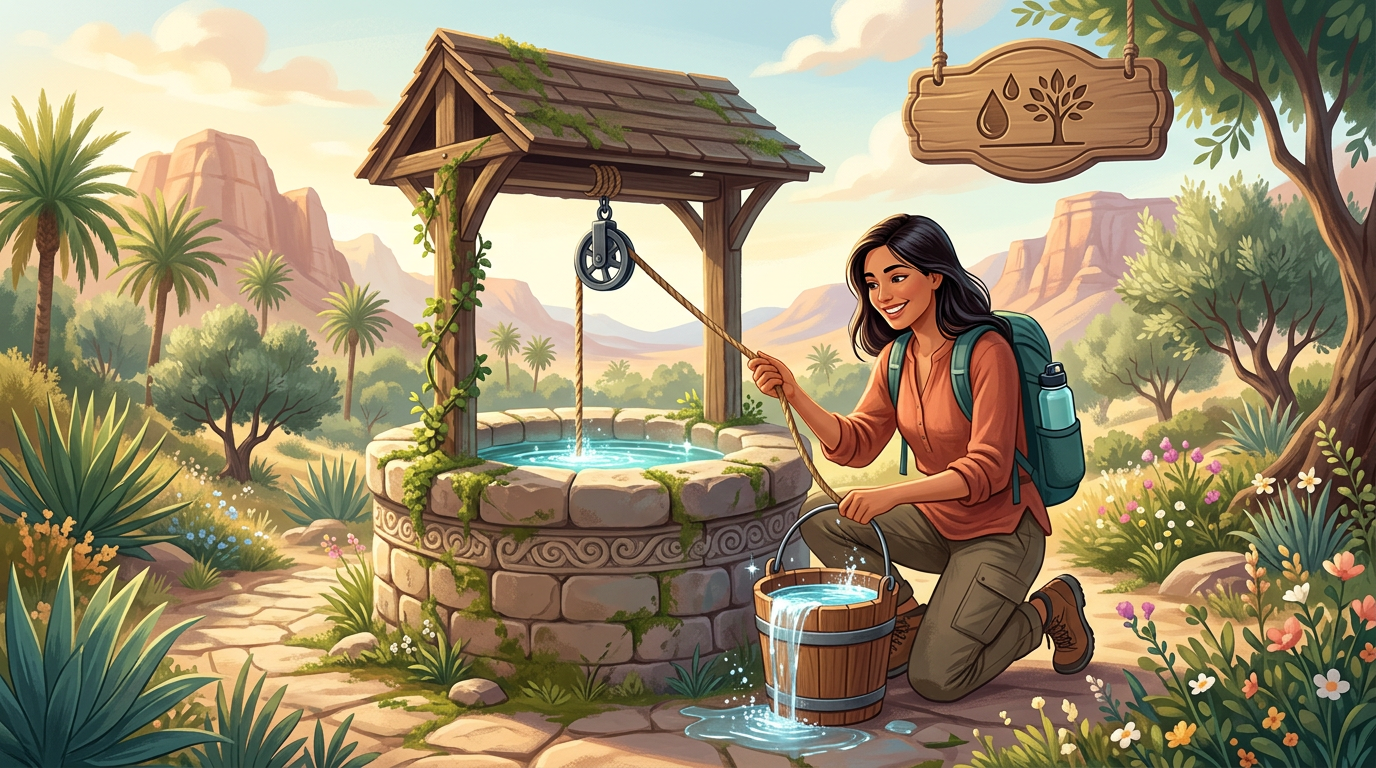
Water Wisdom: Separating Survival Myths from Facts
In a world where unpredictability is the new normal, preparing for emergencies isn't just shrewd; it's essential. When it comes to survival, few resources are as critical as water. Yet, despite its undeniable importance, a surprising number of myths and misconceptions surround how to secure and manage water during a crisis. Are you truly prepared, or are you relying on outdated information?
At VividVendors, we believe in empowering you with accurate, actionable knowledge. We curate products that genuinely make a difference in your preparedness journey. And today, we're diving deep into the fascinating world of water survival, debunking common myths and highlighting facts that could literally save your family. Let's explore how you can ensure a reliable, clean water supply, even when facing the unexpected.
Myth #1: You Can Always Find Water 'Out There'
Many assume that in a survival situation, finding a natural water source is as simple as spotting a stream or an old well. Hollywood often paints a picture of lush wilderness brimming with accessible water. The reality, however, is often far more challenging.
The Fact: Natural water sources can be incredibly scarce, especially in arid regions or during prolonged droughts. Even if you find water, it's frequently contaminated with bacteria, viruses, parasites, industrial pollutants, or agricultural runoff. Drinking untreated water can lead to severe gastrointestinal illness, which rapidly accelerates dehydration and significantly reduces your chances of survival. Relying solely on 'finding' water can be a dangerous gamble, leading to exhaustion, sickness, and potentially fatal consequences.
Furthermore, what if you're not 'out there' but at home during a municipal water shutdown? Your faucets dry up, and your previous assumptions vanish. This is precisely why proactive measures are crucial.
Myth #2: Bottled Water Lasts Forever (and is Your Only Home Solution)
Stockpiling bottled water is a common initial step for many preppers, and it's a good one! However, it often comes with two misconceptions: expiration and sufficiency.
The Fact: While bottled water doesn't 'spoil' in the traditional sense, the plastic bottles can leach chemicals into the water over time, especially when exposed to heat or sunlight. Additionally, the taste can degrade. More importantly, simply stacking cases of bottled water might not be enough for a prolonged crisis. The general recommendation is one gallon per person per day for drinking and basic hygiene. For a family of four, a two-week supply is 56 gallons. That's a lot of bottles, takes up significant space, and is a finite resource. What happens when it runs out?
Your comprehensive home water strategy needs to go beyond single-use bottles. Considerations include:
- Long-term storage: How do you store water safely and efficiently?
- Conservation: How do you maximize every drop?
- Replenishment: How do you generate more water when external sources are cut off?
This is where innovative solutions like Joseph's Well become invaluable. It's designed to give you a sustainable, ongoing source, moving beyond the limitations of bottled water reserves.
Myth #3: Boiling Water Makes Everything Safe
Boiling water is a fundamental survival skill, and undeniably effective against many biological contaminants. But it's not a silver bullet.
The Fact: Boiling water for at least one minute at a rolling boil effectively kills most bacteria, viruses, and parasites. This is excellent for making biologically compromised water safe. However, boiling does not remove:
- Heavy metals (lead, mercury, arsenic)
- Chemical pollutants (pesticides, industrial chemicals)
- Sediment or particulate matter
Drinking aesthetically unappealing or chemically contaminated water can still cause harm, even after boiling. A holistic approach to water purification often involves multiple steps: filtration for particulates, followed by boiling or advanced purification methods for pathogens, and potentially distillation for chemical contaminants. Understanding the limitations of each method is key to making informed decisions for your family's health and safety.
Myth #4: Water Filters Solve All Problems
There's a wide array of water filters on the market, from personal straw filters to gravity-fed systems. They are undoubtedly powerful tools for survival, but not all filters are created equal, and none resolve every issue.
The Fact: The effectiveness of a water filter depends on its design, micron rating, and the type of contaminants it's designed to remove. Many popular survival filters excel at removing bacteria and protozoa but may not filter out viruses (which are much smaller) or chemical contaminants. High-end filters with activated carbon can help with some chemicals and improve taste, but they have their own limitations and lifespan.
Furthermore, filters can clog, freeze, or reach their capacity. Relying on a single type of filter without understanding its capabilities and limitations could leave you vulnerable. The best approach integrates filtration with other methods, creating a layered defense against various waterborne threats.
The Truth About Sustainable Water Security
So, what's the real answer to securing a reliable water supply for your family? It's a combination of understanding, preparation, and innovative solutions.
The fact is, you can drought-proof your family and ensure a continuous, clean water supply. This isn't about magical thinking; it's about ingenious wisdom and proven techniques. Imagine securing 40 gallons of water daily, consistently, without relying on external infrastructure or finite reserves. That's the kind of peace of mind that truly prepares you for any scenario.
One such ingenious solution is Joseph's Well. This system is designed to provide you with such a reliable source, empowering you to take control of your family's most vital resource. It’s an investment in resilience, offering independence and security against various water-related threats, from natural disasters to infrastructure failures.
Bottom Line
Don't fall prey to common water survival myths. Your family's safety depends on accurate information and effective preparation. By understanding the facts and leveraging innovative solutions, you can move from anxiety to assurance, knowing you have a continuous supply of clean water. Explore Joseph's Well today and take a significant step toward complete water security for your loved ones.