

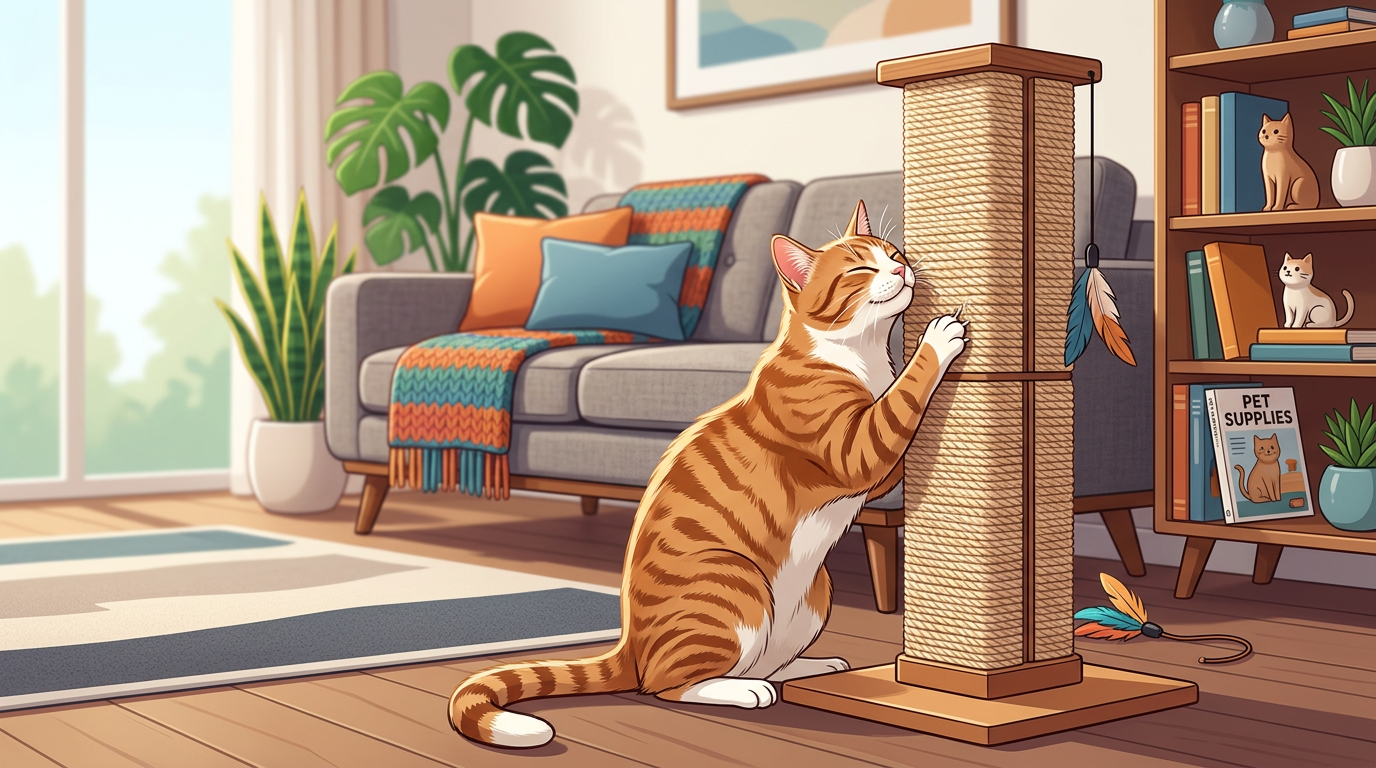
Say Goodbye to Scratched Furniture: A 7-Day Journey to a Harmony Home
Is your beautiful sofa starting to look like a cat-themed shredded wheat? Do you wince every time your beloved feline eyes that armchair with a predatory gleam? You're not alone. Cat scratching is a natural, instinctual behavior for felines, serving crucial purposes like nail health, stretching, and marking territory. While it's essential for their well-being, it can be a nightmare for your furniture and your peace of mind. The good news? You don't have to choose between a happy cat and an intact home. With the right approach and a little patience, you can redirect your cat's scratching habits effectively and lovingly.
At VividVendors, we understand the unique bond you share with your pet. That's why we're excited to introduce you to solutions designed to foster harmony. One such remarkable resource is Scratch-Free in 7 Days: The Furniture-Saving Method for Cat Owners. This comprehensive guide offers a humane, step-by-step program to transform your cat's scratching habits, all without resorting to punishment, declawing, or causing stress for either of you.
Understanding Your Cat's Need to Scratch
Before you can effectively redirect your cat, it's vital to understand why they scratch. It's not out of malice or spite; it's deeply ingrained in their nature. Here are the primary reasons:
- Nail Maintenance: Scratching helps remove the outer, dead layers of their claws, revealing sharper, healthier ones underneath.
- Stretching: It's a full-body workout! Cats stretch their muscles and paws while scratching, similar to how humans stretch after waking up.
- Territorial Marking: Cats have scent glands in their paws. When they scratch, they leave both a visual mark and a scent mark, letting other felines (and you!) know it's their territory.
- Stress Relief/Excitement: Sometimes, scratching is a way for cats to release pent-up energy or stress, or even express excitement.
Armed with this knowledge, you can approach the issue with empathy and find solutions that work with your cat's instincts, rather than against them.
Setting Up the Ideal Scratching Environment
The key to redirecting scratching is to make appropriate scratching surfaces more appealing than your furniture. Think about variety in materials, orientation, and location.
- Offer Variety: Cats have preferences! Some prefer sisal, others cardboard, and some love carpet. Offer both vertical (posts, trees) and horizontal (pads, ramps) options. A good rule of thumb is to have at least one scratching surface per cat, plus one extra.
- Strategic Placement: Place scratching posts and pads in areas where your cat already scratches, or near their favorite napping spots and high-traffic areas. If they love the corner of your sofa, put a scratching post right next to it.
- Stability is Key: Ensure all scratching surfaces are sturdy and don't wobble. A wobbly post is frustrating and unsafe, making your cat less likely to use it.
Remember, consistency is crucial. The more appealing and accessible these alternatives are, the more likely your cat is to use them.
The 7-Day Transformation: A Gentle Approach
The idea of a scratch-free home in just seven days might sound ambitious, but with a structured plan, it's entirely achievable. The core principles involve positive reinforcement, gentle redirection, and making your furniture less appealing.
Here’s a glimpse of the kind of strategies you might employ, much like those detailed in Scratch-Free in 7 Days: The Furniture-Saving Method for Cat Owners:
- Enhance Appeal: Make existing (or new) scratching posts irresistible. Use catnip spray, sprinkle fresh catnip, or hang toys from them to encourage interaction.
- Deter Unwanted Areas: Temporarily make your furniture less desirable. You can use double-sided sticky tape, aluminum foil, or even covers that make the texture unappealing to your cat.
- Positive Reinforcement: Whenever you see your cat using an appropriate scratching surface, praise them enthusiastically, give them a treat, or engage in a short play session. This reinforces the positive behavior.
- Gentle Redirection: If you catch your cat scratching your furniture, gently pick them up and place them on a scratching post. Never punish or scold them; this can create fear and anxiety.
- Maintain & Adapt: Once your cat starts regularly using their designated scratchers, you can gradually remove the deterrents from your furniture. Continue to provide a variety of scratching options and refresh their appeal regularly.
This method emphasizes understanding and cooperation, leading to lasting results that strengthen your bond with your pet.
Common Pitfalls to Avoid
When trying to redirect scratching, several common mistakes can hinder your progress:
- Punishment: Yelling, spraying water, or any form of punishment is counterproductive. It makes your cat fearful of you, not of scratching the furniture.
- Not Enough Options: If your cat doesn't have attractive alternatives, they'll revert to what feels natural to them – your sofa.
- Incorrect Placement: Placing scratching posts out of sight or in inconvenient locations means your cat won't use them.
- Giving Up Too Soon: Behavior modification takes time and consistency. Don't get discouraged if you don't see instant results. Stick with the plan, and you'll likely see progress.
Patience and a loving approach are your best tools in this journey.
Bottom Line
Living with a cat doesn't mean sacrificing your furniture. By understanding your cat's natural instincts and providing compelling, appropriate outlets for their scratching needs, you can achieve a harmonious home where both you and your feline friend thrive. Resources like the highly effective Scratch-Free in 7 Days: The Furniture-Saving Method for Cat Owners can provide that clear, actionable roadmap to success. You may experience a significant reduction in furniture damage and a much more relaxed household. Invest in your peace of mind and your cat's well-being – explore solutions that protect your home and celebrate your pet.